Understanding the psychological triggers that influence gambling behavior in casinos
The Allure of the Casino Environment
The casino environment is meticulously designed to captivate and stimulate the senses, drawing gamblers into a world of excitement and possibility. Bright lights, engaging sounds, and vibrant colors create an atmosphere that feels both exhilarating and immersive. This sensory overload often triggers dopamine release in the brain, making individuals associate the environment with pleasure and reward. For example, while enjoying your time at the casino, you might come across Casoola casino, which exemplifies this exhilarating experience. The layout of casinos is carefully planned, with pathways leading visitors deeper into the gaming floor, subtly encouraging extended playtime.
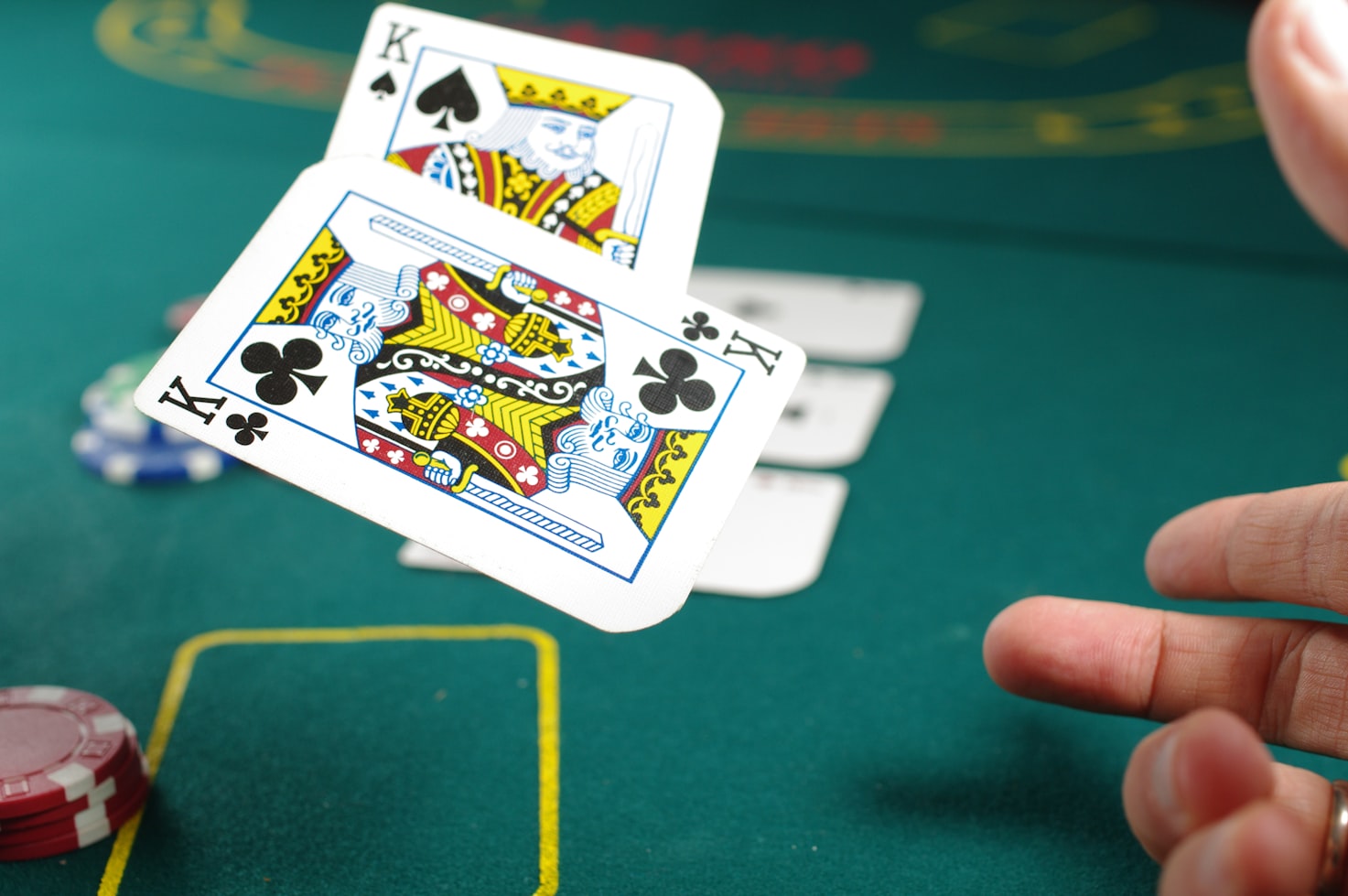
Furthermore, the strategic placement of games and the absence of windows and clocks contribute to a disorienting effect that can alter a gambler’s perception of time and money. This design encourages players to lose track of their spending and how long they have been playing. In addition, casino operators utilize ambient music and sound effects that enhance the thrill of winning, further reinforcing the desire to continue playing. This carefully orchestrated environment exploits psychological vulnerabilities, drawing gamblers into cycles of risk and reward.
The emotional highs and lows experienced during gambling can also be significant psychological triggers. The anticipation of a win, coupled with the social aspects of playing with others, creates a unique cocktail of excitement and anxiety. Gamblers often find themselves in a state of emotional arousal, which can lead to irrational decision-making. This emotional involvement makes it difficult for players to walk away, as the highs of winning temporarily overshadow the lows of losing, leading to a compulsion to gamble more in hopes of recapturing that fleeting joy.
The Role of Cognitive Biases
Cognitive biases are systematic patterns of deviation from norm or rationality in judgment. These biases play a crucial role in gambling behavior, leading individuals to make irrational decisions based on misconceptions. One common cognitive bias in gambling is the “illusion of control,” where gamblers believe they can influence the outcome of games of chance, like slot machines or roulette. This misconception can lead to excessive play, as players feel that their actions have a direct impact on the results.
Another significant cognitive bias is the “gambler’s fallacy,” which refers to the belief that past events will influence future outcomes in a random process. For instance, if a player observes a slot machine that hasn’t paid out recently, they might assume it is “due” for a win. This flawed logic can result in continued betting, with the hope of an imminent win, even when probabilities remain unchanged. Such biases can keep players engaged longer than they intend, often leading to significant financial losses.
Social reinforcement also plays a key role in perpetuating these cognitive biases. When players win, especially in the presence of peers, the positive reinforcement can create a strong desire to continue gambling. Conversely, losses may be minimized or rationalized, often shared among friends to mitigate feelings of regret. This collective reinforcement serves to validate irrational beliefs and keep players trapped in their gambling behavior, ignoring the statistical realities of their situation.
The Impact of Emotional Triggers
Emotions play a pivotal role in gambling behavior, often acting as triggers that lead to excessive play. Many individuals turn to gambling as an escape from stress, anxiety, or depression, believing that winning can provide relief or happiness. This emotional reliance on gambling can lead to a destructive cycle, where the highs of winning become the only source of joy, while losses compound feelings of despair. As emotions fluctuate, the gambler’s decision-making can become increasingly erratic, straying further from rational thought.
Moreover, emotional highs from winning can create a sense of euphoria that gamblers crave, leading them to chase that feeling through repeated play. This chase can intensify the gambling experience and make it harder to stop, even in the face of mounting losses. The thrill of risking money becomes intertwined with emotional satisfaction, making it difficult for individuals to recognize their gambling as a harmful behavior. Thus, managing emotional triggers is essential for those seeking to mitigate their gambling tendencies.
Additionally, the social aspect of gambling can heighten emotional triggers. Many individuals gamble in social settings where camaraderie and shared excitement amplify emotional responses. Celebrating wins with friends or engaging in friendly competition can lead to increased gambling behavior as individuals seek to replicate the social high. However, when losses occur, the communal atmosphere can also lead to shared disappointment, which may prompt gamblers to bet more as a means to escape their negative feelings, compounding their emotional challenges.
The Influence of Marketing and Promotions
Marketing strategies employed by casinos are designed to entice players and often exploit psychological triggers. Promotions such as free spins, cash bonuses, and loyalty programs create an illusion of value and increase player engagement. These offers can make gambling seem more appealing by lowering the perceived risk, encouraging individuals to gamble beyond their intended limits. When players feel they are getting something for free, they may be less cautious about their spending, leading to increased risk-taking behavior.
Additionally, casinos often use targeted advertising to appeal to specific demographics, focusing on the emotional and cognitive aspects of gambling. For instance, ads may highlight the excitement of winning or showcase luxurious lifestyles associated with gambling. This can create unrealistic expectations and amplify the desire to play, leading individuals to make impulsive decisions in hopes of achieving that glamorous lifestyle. Such marketing strategies can be particularly effective in fostering a gambling culture that prioritizes risk and reward without highlighting potential consequences.
Furthermore, casinos are increasingly utilizing online platforms to reach potential gamblers. The digital world allows for personalized marketing strategies that can deeply influence individual gambling behaviors. Online promotions, engaging graphics, and gamified experiences all work together to create a captivating digital environment that mirrors the physical casino’s allure. This expansion into the online space has made it easier for individuals to access gambling, often leading to compulsive behaviors that can have detrimental effects on their lives and finances.

Conclusion: Navigating the Complexities of Gambling Behavior
Understanding the psychological triggers that influence gambling behavior is crucial for anyone looking to navigate the complexities of this activity. Whether it be the enticing casino environment, cognitive biases, emotional triggers, or the impact of marketing, each element plays a significant role in shaping the gambling experience. Recognizing these factors can empower individuals to make informed decisions and develop healthier gambling habits.
For those struggling with gambling addiction, it is essential to seek help and support. The insights gained from understanding these psychological triggers can serve as a foundation for recovery, helping individuals identify their vulnerabilities and address them effectively. Moreover, awareness of how casinos operate can cultivate a more critical perspective towards gambling, enabling players to enjoy the experience responsibly.
Leave a Reply